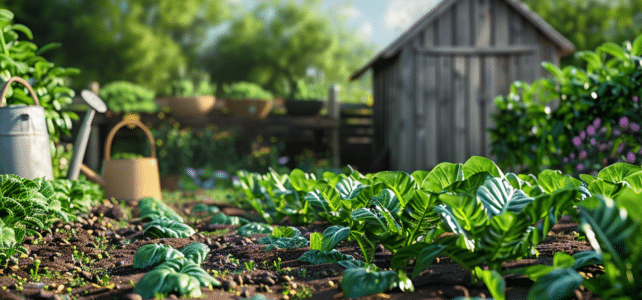
Gardening, an activity that is both relaxing and productive, is increasingly appealing to individuals eager to grow their own food or beautify their living space. However, in inexperienced hands, this practice can quickly become a source of frustration. From inadequate watering to haphazard plant choices, mistakes are common among novices. Experienced gardeners, on the other hand, deploy optimization strategies aimed at maximizing plant health and the beauty of flowerbeds. This miniature ecosystem requires specific know-how to flourish its floral occupants and ensure a generous and sustainable harvest.
which plants do not like coffee grounds
Gardening Optimization: Best Practices for a Thriving Vegetable Garden
Planning and Layout: A fundamental prerequisite for a flourishing vegetable garden, planning proves to be strategic. Determine the location of your garden by considering the sunlight necessary for optimal plant growth, which is 6 to 8 hours of sunlight per day. Incorporate crop rotation to maintain soil fertility and mitigate the risks of diseases and pests. Vary the species grown to achieve ecological balance and captivating aesthetics. The garden layout should also reflect a judicious management of time and available resources.
Vegetable Requirements: Vegetables are hungry for sunlight, nutrients, and water. Special attention must be paid to these needs to ensure maximized productivity of your garden. Some popular practices, such as using coffee grounds to fertilize soils, require thoughtful application. Ask yourself: which plants do not like coffee grounds? The answer will influence its use, as despite its benefits, it can acidify the soil and is not suitable for certain crops.
Knowledge Acquisition: Knowledge is a powerful tool in the gardener’s arsenal. Explore various sources of information: workshops, conferences, books, articles, blogs, videos to refine your methods and enrich your gardening experience. From garden maintenance techniques to tips for growing herbs, every piece of advice absorbed can transform an ordinary vegetable garden into a haven of health and beauty.
Common Gardening Mistakes and How to Avoid Them
Neglecting the Fundamental Needs of Plants: Both beginner and experienced gardeners, succumbing to enthusiasm without accurately assessing the needs for sunlight, nutrients, and water of your plants often leads to disappointing results. Lack of sunlight or overwatering are frequent mistakes not to be underestimated. Ensure your crops receive 6 to 8 hours of light per day and adjust the water supply according to the specific requirements of each species.
Ignoring Crop Rotation and Plant Diversity: Uniformity is the enemy of a thriving vegetable garden. By omitting crop rotation and not diversifying plants, you expose your garden to soil depletion and accelerated spread of diseases and pests. Therefore, integrate a variety of crops and practice rotation to maintain optimal health of your garden.
Poor Anticipation of Diseases and Pests: The absence of prevention and control of fungal diseases and pest infestations can lead to the loss of your crops. Be vigilant and proactive by applying biological prevention methods and regularly inspecting your plants for any signs of disease or unwanted presence.
Lack of Training and Knowledge Update: Gardening is a constantly evolving science. Failing to train or neglecting to update your knowledge can deprive you of innovative and effective techniques. Utilize available resources such as workshops, conferences, books, articles, blogs, and videos to stay informed about the latest practices in gardening and thus avoid common mistakes.