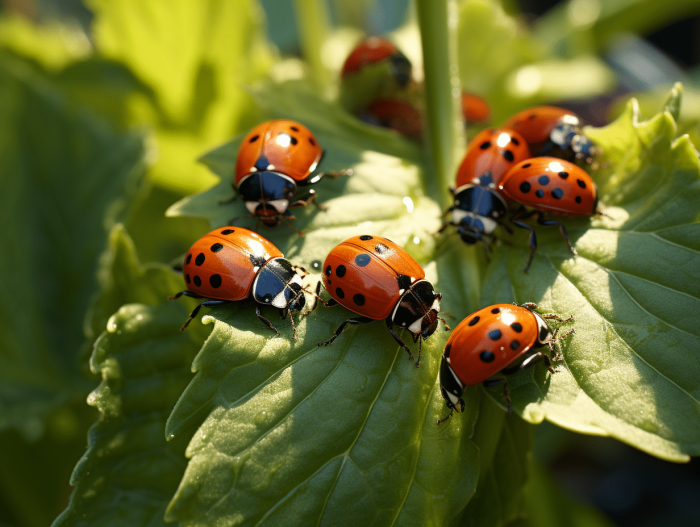
The garden is often a haven for biodiversity, but it can quickly become the stage for a fierce battle against various pests. These unwanted guests, whether insects, rodents, or fungi, threaten the balance and health of your green space. In light of the controversial use of chemical products, more and more gardeners are turning to environmentally friendly methods. These natural alternatives, combining ancestral tips and ecological innovations, promise sustainable pest management while preserving the beneficial fauna and flora of your garden.
Biological strategies for a pest-free garden
The biodiversity of your garden can be compromised by various scourges such as slugs, aphids, weevils, and scale insects. To counter these intruders without harming the ecological balance, natural solutions and living allies can be mobilized. Encourage the presence of hedgehogs, hunters of slugs, cockchafers, and other small invertebrates. Ducks, for their part, are excellent slug eaters. Also deploy the army of beneficial insects: ladybugs, lacewings, ground beetles, and spiders that attack aphids, caterpillars, and slugs. These natural predators represent an ecological alternative to chemical pesticides.
Companion plants also play a fundamental role in protecting your garden. Garlic, carrots, beets, and strawberries support each other and create an environment unfavorable to pests. Combine them wisely to benefit from their protective effects. Similarly, strong odors emanating from plants such as celery and basil, or the use of nettle extract and fern maceration, can repel unwanted guests while strengthening your plants.
For passive yet effective defense, consider installing insect nets that prevent invasions of harmful insects without impacting beneficial wildlife. And for a surprising yet proven tip, baking soda against moles can be deterrent while being environmentally friendly. These methods, which are part of a sustainable gardening approach, help preserve the richness of life that animates your green space.

Homemade insecticides and natural repellents
In the face of the various aggressions suffered by our gardens, resorting to natural insecticides and repellents represents an environmentally friendly and effective solution. Nettle extract, an ancestral preparation, proves to be an excellent repellent against pests while acting as a natural fertilizer. To prepare it, soak nettles in water for a few days and use the resulting liquid to spray the affected plants.
Fern maceration, on the other hand, is another biological option to protect your garden. Used as a spray, it is particularly formidable against mites and aphids. Used coffee grounds, a daily waste often overlooked, can be strategically scattered around plants. Its texture and smell create a deterrent barrier for many crawling insects while enriching the soil with nitrogen.
Repellent fruits also offer a range of solutions against pests. Slices of cucumber placed at the base of plants will deter ants, while buried banana peels near rose bushes will discourage aphids. Lemon and grapefruit seeds, due to their natural compounds, can be used to create effective homemade repellents against a wide range of insects. These simple and economical tips help maintain the integrity and health of your garden without resorting to chemical products.