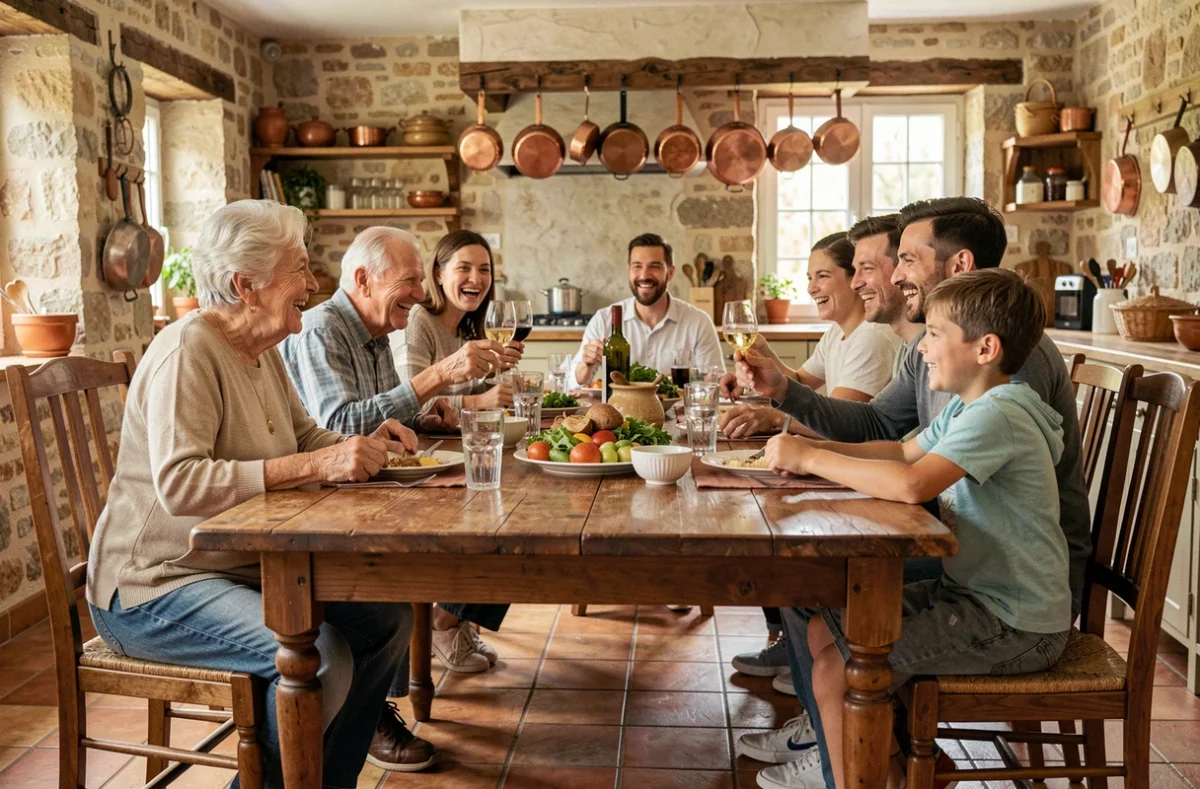
In France, nearly one-third of minor children live with just one of their parents, in a single-parent or blended family. And among families with children, 31.5% are single-parent families, eight out of ten of them headed by a woman. These statistics make it essential to move beyond one-size-fits-all advice for traditional households and address situations where shared custody, blended family life, and caring for a dependent loved one coexist under one roof—or across two.
Shared custody and family caregiving: managing two responsibilities at once
When a parent manages shared custody of their child while supporting a loved one who is losing their independence, the mental load doesn’t split in two—it multiplies. Weeks with the child are packed with medical, school, and extracurricular appointments. Weeks without the child don’t free up time: they become the main window for caregiving tasks (coordinating care, handling APA applications, and making visits).
The key is to synchronize schedules between the two households. In practice, this means sharing a digital calendar with the other parent for the child’s schedule, and a second calendar with the people involved in caring for the loved one (home care aide, nurse, primary care physician). The two calendars should work together without overlapping.
Free email-based support programs are available for caregivers, offering articles, tools, and practical services to help manage this dual responsibility. Family organization matters just as much when someone is losing their independence as it does when raising young children—a point that, in our experience, is still too rarely addressed in resources for the general public. Several topics related to these overlapping life situations are also covered in Revue de Presse’s family section, which explores these issues beyond the parent-child relationship alone.
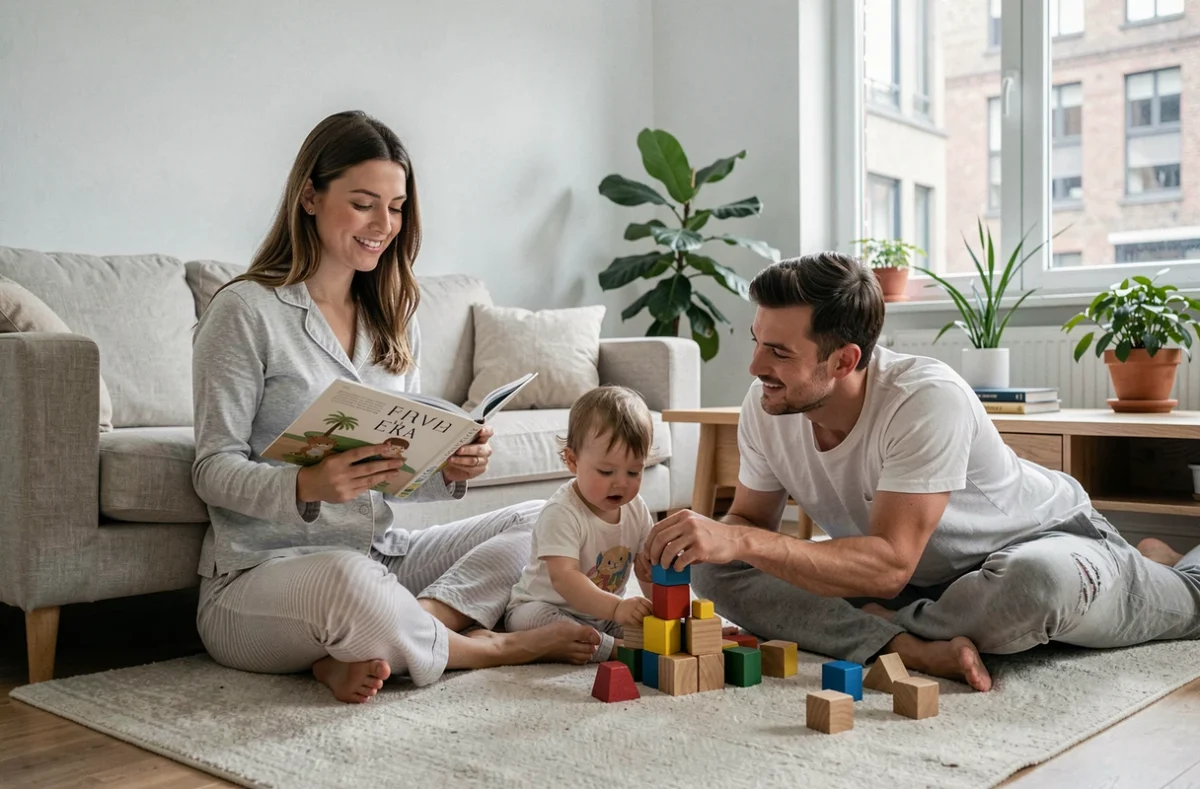
Transitions between households: making things easier for children
A child who shares their life between two homes isn’t living two half-lives. They’re living a whole life with regular logistical disruptions. The quality of these transitions has a direct impact on their emotional stability.
Use a transition ritual instead of a checklist
A common temptation is to make a checklist of things to pack. The result is an atmosphere of moving house every other week. A short ritual (a shared walk, a snack to mark the transition, or a communication notebook between the two households) makes the change part of a predictable routine rather than a disruption the child has to endure.
Keep essential items in both homes
School supplies, everyday clothes, and personal care items (toothbrushes, medication if the child is receiving treatment) are worth keeping in duplicate. Reducing the number of things that travel between households means fewer forgotten items, fewer conflicts, and less stress for the child.
- Basic school supplies (pencil case, rough-work notebooks, calculator) in each home to avoid last-minute trips back and forth.
- Enough seasonal clothing in both homes, accepting that styles may differ from one household to the other.
- A comfort item chosen by the child (a stuffed animal, notebook, or photo) that can travel freely and provide a sense of continuity between the two spaces.
Keeping duplicates costs money, but it also means fewer conflicts and greater peace of mind for the child and both parents.
Extended family members: involve them without overburdening them
Grandparents, aunts, uncles, and close neighbors can provide a valuable support network that is often underused in blended and single-parent families. Their involvement needs clear boundaries to avoid creating additional tension.
Defining a specific role is essential to making their help sustainable. A grandparent who picks up the child from school on Tuesdays and prepares dinner is taking on a concrete, limited role. A grandparent asked to “be available just in case” may end up feeling taken advantage of or getting involved in parenting decisions.
When a parent is also a caregiver, extended family members can also take turns spending time with the dependent loved one. Responsibilities should be clearly agreed upon, including in writing, to prevent the burden from always falling on the same person.
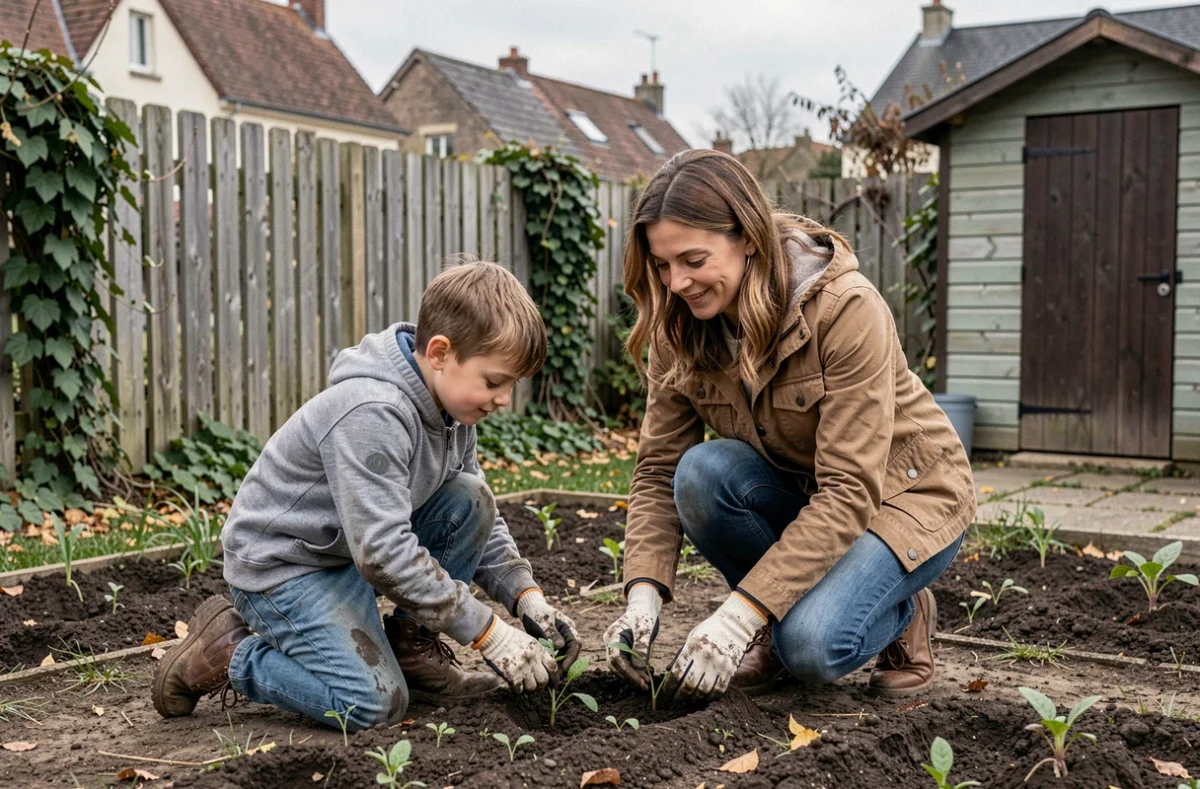
Couple life and everyday life in a blended family: balancing priorities
In a blended family, the parental couple doesn’t have the same status as in a so-called traditional household. A stepparent has no parental authority by default, and the children on either side didn’t choose to live together. These factors make it essential to set clear expectations about everyone’s role.
A common pitfall is trying to recreate the nuclear family model. A stepparent who tries to establish themselves as an authority figure in the first few months is almost certain to face rejection. Taking the role of a trusted adult—being present and dependable without trying to replace the absent parent—works better over time.
Time as a couple, often sacrificed, deserves to be protected. One evening every two weeks, scheduled during a week when the child is staying with the other parent, is enough to maintain a space for the relationship that’s separate from the parenting role. A couple who only talks about logistics eventually stops being a couple.
Tips for creating family rituals that work for every household
Rituals only work if they fit the household’s actual structure. A Sunday family meal makes little sense if the child is with the other parent every other Sunday.
- Choose rituals that happen often (daily or weekly) rather than monthly events, which can be hard to maintain when custody schedules vary.
- Adapt rituals to the shared custody schedule: having the same bedtime routine in both homes gives the child a stable point of reference, even when the surroundings differ.
- Create a ritual specific to the blended household (Friday night board games, a Saturday morning walk) that doesn’t compete with the other household’s routines.
Everyday life for families in France doesn’t fit a single model. Each household—whether single-parent, blended, or caring for a dependent loved one—needs its own logistical and relationship adjustments. The solutions that last are the ones grounded in the household’s reality as it is, not as it’s expected to be.