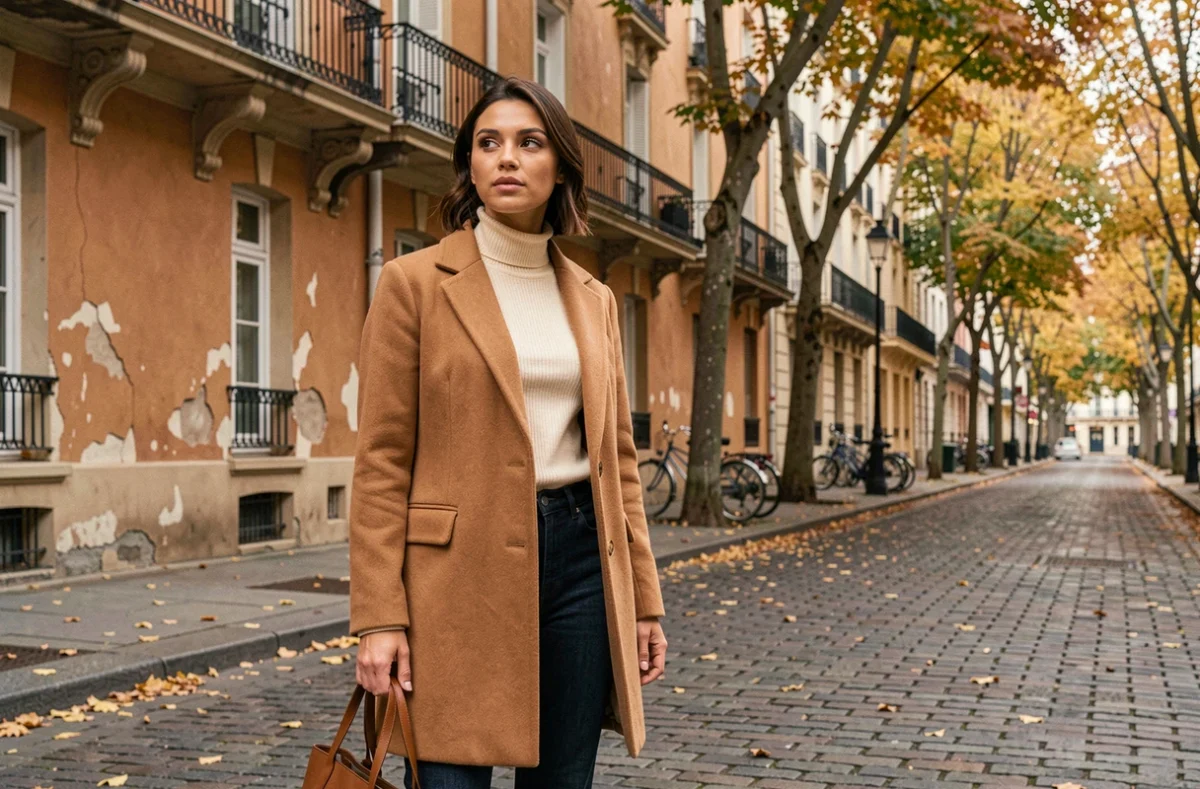
What criteria allow us to distinguish a passing trend from a movement that sustainably restructures the clothing offer? The answer, at the end of the year 2026, relies as much on European regulations as on the runways. Fashion trends of the season are no longer limited to a palette of colors or a cut: they reflect new industrial constraints that concretely change what brands offer in stores and online.
Textile Regulation 2026 and Its Impact on Fashion Offerings
Since July 19, 2026, large companies operating in the European Union are no longer allowed to destroy unsold clothing, accessories, and shoes. This prohibition, stemming from Article 25 of Regulation (EU) 2024/1781 on Ecodesign (ESPR), mandates an attempt at reuse, donation, or refurbishment before any disposal.
At the same time, the European register of the Digital Product Passport (DPP) has been operational since July 20, 2026. Brands must now provide traceability for each textile item, making sustainability claims verifiable by consumers.
| Regulatory Measure | Date of Entry into Force | Consequence on Wardrobe |
|---|---|---|
| Prohibition of destruction of unsold textiles (ESPR, art. 25) | July 19, 2026 | Increase in offerings at outlets, private sales, and second-hand |
| Digital Product Passport (DPP) – online register | July 20, 2026 | Verifiable traceability, end of greenwashing on labels |
| DPP access and verification rules | August 6, 2026 | Objective comparison between brands on materials and origin |
These three milestones change the game for anyone assembling their wardrobe this season. The refurbished offer is booming, capsule collections are multiplying to avoid surplus, and labels are becoming a real decision-making tool. Several brands that previously engaged in frantic reference renewal are now publishing detailed product sheets directly linked to the DPP.
To keep up with these developments applied to women’s and men’s wardrobes, the Zaturelle site dedicated to fashion regularly shares pieces that meet these new standards.
Seasonal Materials and Colors: What the Runways Confirm
Leather remains omnipresent on the spring-summer and autumn-winter 2026 runways. Short jackets, midi skirts, tailored pants: the material transcends the seasons without weakening. In contrast, lace and fringes are gaining ground in everyday pieces, whereas they were confined to evening looks in previous years.
Autumn Palette and Contrasts
Rust, ochre, and terracotta dominate the autumn-winter offerings. These warm shades easily combine with a base of neutrals (beige, taupe, light gray). Navy blue retains its status as a reliable choice for pants or blazers.
In terms of patterns, diamonds and reimagined animal prints are returning in the collections of several houses. The trend of “power dressing,” with structured lines and pronounced shoulders, is asserting itself as a guiding thread for the cold season.
- Soft leather on jackets and skirts, worn day or night, without thick lining for mid-seasons
- Lace integrated into blouses and midi dresses, not just formal outfits
- Fringes on bags, boots, and lightweight jackets, echoing reimagined western collections
- Rust-ochre-terracotta palette paired with neutrals for a modular wardrobe
Key Silhouettes: Midi Dress, Oversized Cut, and Layering
The midi dress stands out as the most versatile piece of the 2026 wardrobe. It transitions effortlessly from office to weekend, worn with flat boots or heels depending on the context. Asymmetrical cuts and open backs add a graphic dimension that distinguishes it from an ordinary basic.
Controlled Oversize and Play of Volumes
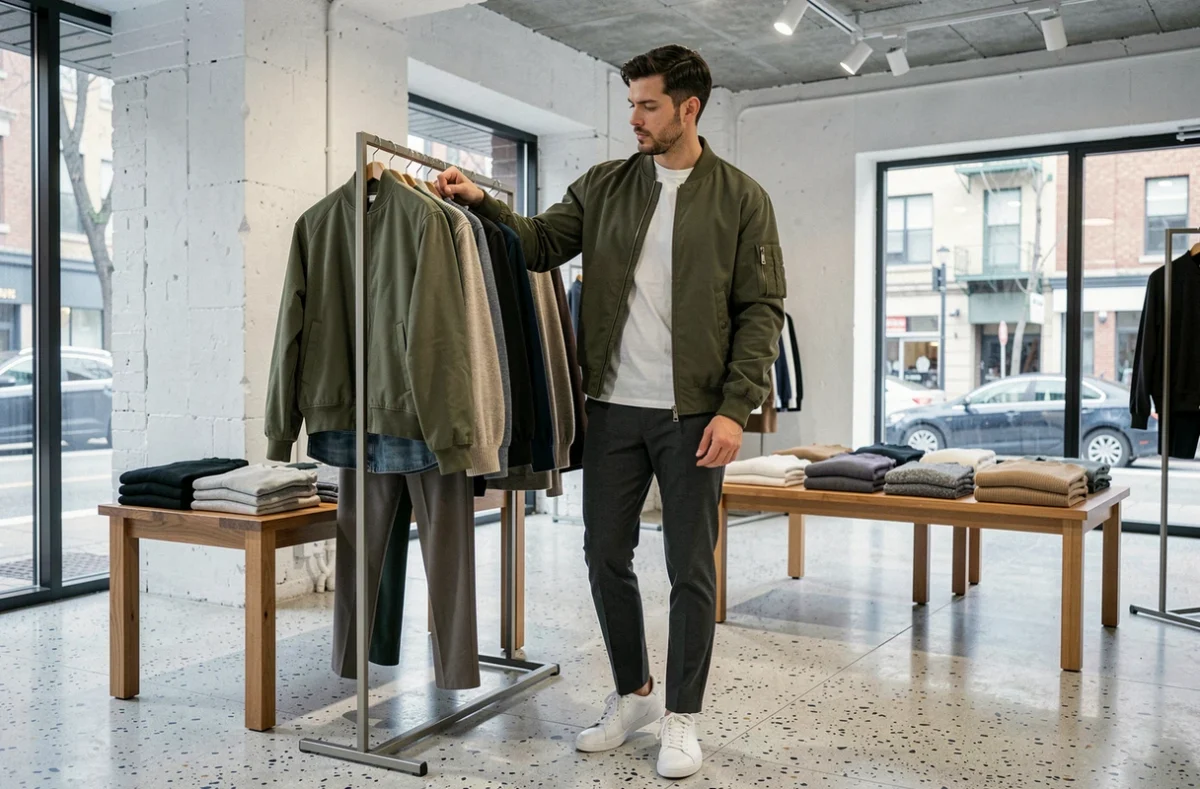
Loose cuts do not mean shapeless. The oversized blazer can be worn cinched with a belt or tucked into high-waisted pants. Wide jeans are gradually replacing slim fits in urban wardrobes, paired with a fitted top to balance the silhouette.
Layering remains a strong stylistic lever: sleeveless vests over shirts, lightweight trench coats over dresses, thin sweaters under blazers. This approach allows for modulating a look throughout the day without multiplying purchases.
Virtual Fitting and Style Tools Powered by Artificial Intelligence
Technology is changing the way consumers discover trends. Several major fashion brands are now integrating virtual fitting tools based on artificial intelligence, allowing users to visualize a piece on their own body shape before making an online purchase.
These devices significantly reduce product returns. According to available data, brands using augmented reality in retail observe significantly higher conversion rates than those following traditional shopping paths. For the consumer, this translates into a more informed choice: testing wide pants, a midi dress, or an oversized blazer without having to go to the store.
AI also plays a role upstream, in style recommendation. Platforms analyze the content of your existing wardrobe (via photo) and suggest combinations or missing pieces based on seasonal trends. The gain is tangible: fewer impulsive purchases, more coherence in the wardrobe.
The 2026 season is marked by a dual movement. On one hand, European regulation pushes brands to produce less and better, enriching the refurbished offer and making traceability verifiable. On the other hand, digital tools facilitate more precise clothing choices. To enhance a wardrobe this season, the most useful reflex is no longer to follow every micro-trend but to check the origin of a piece and virtually test its place in an existing wardrobe before purchasing it.