The spring-summer 2026 fashion is not just a checklist of items to tick off. Behind the runways of Milan and Paris, two contradictory movements coexist: on one side, a discreet aesthetic inherited from quiet luxury, and on the other, a bold return of vibrant colors and boudoir codes. Understanding these tensions allows for more sustainable wardrobe choices than merely following micro-trends.
Quiet luxury versus primary colors: two visions of fashion 2026
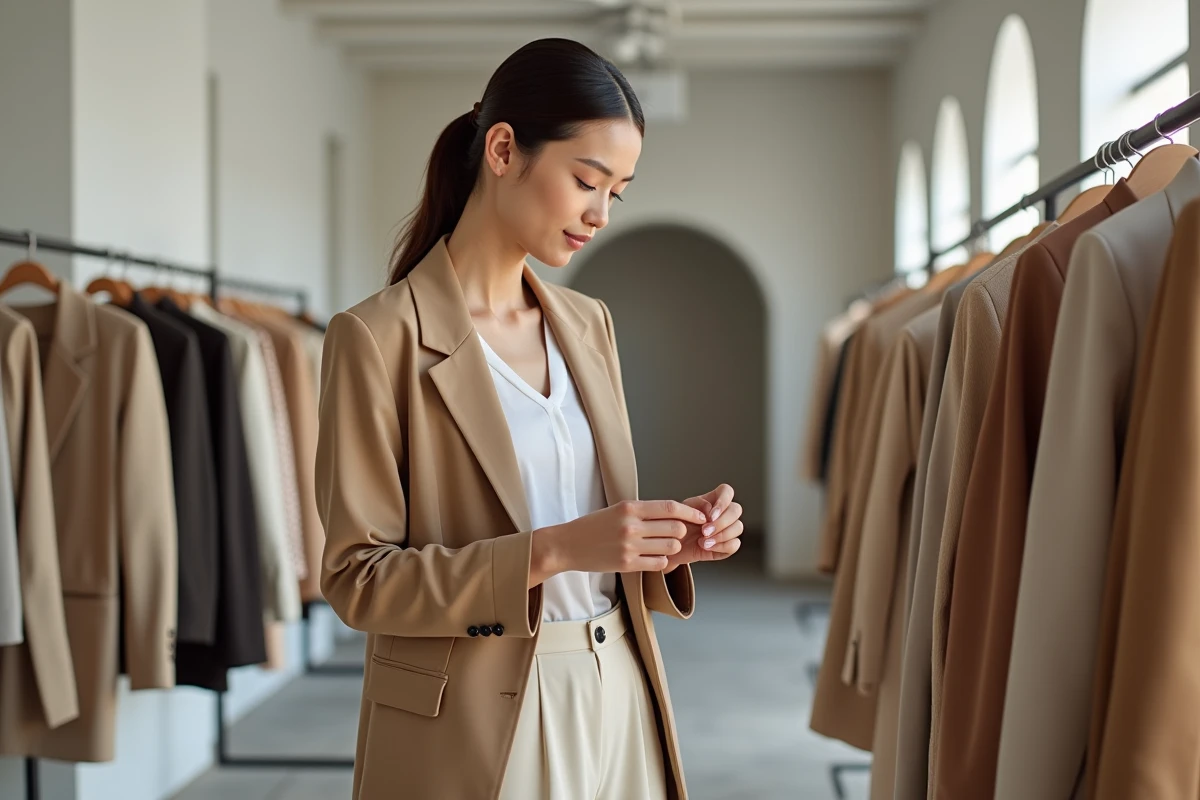
Since 2023, searches related to quiet luxury and old money aesthetics have been significantly increasing in Europe, particularly among those aged 25-44, according to the Pinterest Predicts report. This trend continues into the 2025-2026 season, pushing towards quality basics, neutral palettes, and timeless cuts.
In parallel, the spring-summer 2026 shows highlighted shades that oppose this sobriety. Cobalt and bright yellow emerge as structuring colors of the collections, alongside the already well-established red. These are not just occasional accents: several houses present them in total looks.
French content often remains focused on pastels or neutrals and does not yet clearly integrate this duality. On Scooporama’s fashion section, analyses precisely intersect these two frameworks to help compose a personal style without succumbing to contradictory injunctions.
The open question remains whether these two currents will merge (a cobalt piece worn with neutral basics, for example) or if the season will split into two distinct wardrobes. The answer varies depending on markets and age groups.
Boudoir trend: what the 2026 shows really offer
The term “boudoir” reappears in analyses of the spring-summer 2026 collections to denote a set of specific codes: satin, lace, daytime worn nightgowns, visible lingerie details. This is not a nostalgic resurgence of the 2000s: houses are integrating it into structured silhouettes, far from being solely sensual.
This translates into hybrid pieces. A long, flowing satin dress with thin straps is worn with an oversized blazer. A lace top slips under wide-leg trousers. The boudoir 2026 operates through layering, not exposure.
This trend poses a practical difficulty: materials (satin, silk, fine lace) require specific care and do not withstand intensive daily use well. For a sustainable wardrobe, it is better to limit these pieces to targeted occasions rather than integrating them into a permanent rotation.
Materials and care: the concrete limits
- Satin easily marks from friction and does not withstand machine washing well, limiting its use to pieces worn occasionally
- Fine lace requires a washing net or hand washing to maintain its shape beyond a few seasons
- Synthetic blends mimicking satin offer superior durability, but the texture and drape remain noticeably different when worn
Capsule wardrobe and statement pieces: balancing your fashion budget
The concept of a capsule wardrobe, driven by the quiet luxury wave, relies on a limited number of versatile pieces. In theory, this reduces impulsive purchases. In practice, investing in a quality basic costs more upfront but reduces the cost per use.
A common pitfall is building a capsule wardrobe that is too neutral, then compensating with cheap trendy pieces to “add personality.” This pattern returns exactly to the consumption model that the capsule wardrobe claims to avoid.
Three criteria for deciding on a fashion purchase this season
- Real versatility: a piece that can only be worn with one type of outfit will end up forgotten, regardless of its price
- Compatibility with the existing wardrobe: before buying a bold color like cobalt, check that at least three already owned pieces can be paired with it
- The quality of the material to the touch: a fabric that pills after two washes is not an investment, even if on sale
The available data does not allow for a conclusion that one approach (strict capsule or mixed wardrobe) works better than another in the long term. The decision depends on the individual’s relationship with novelty and the actual budget available each season.
Key colors and everyday style: adapting fashion trends to your reality
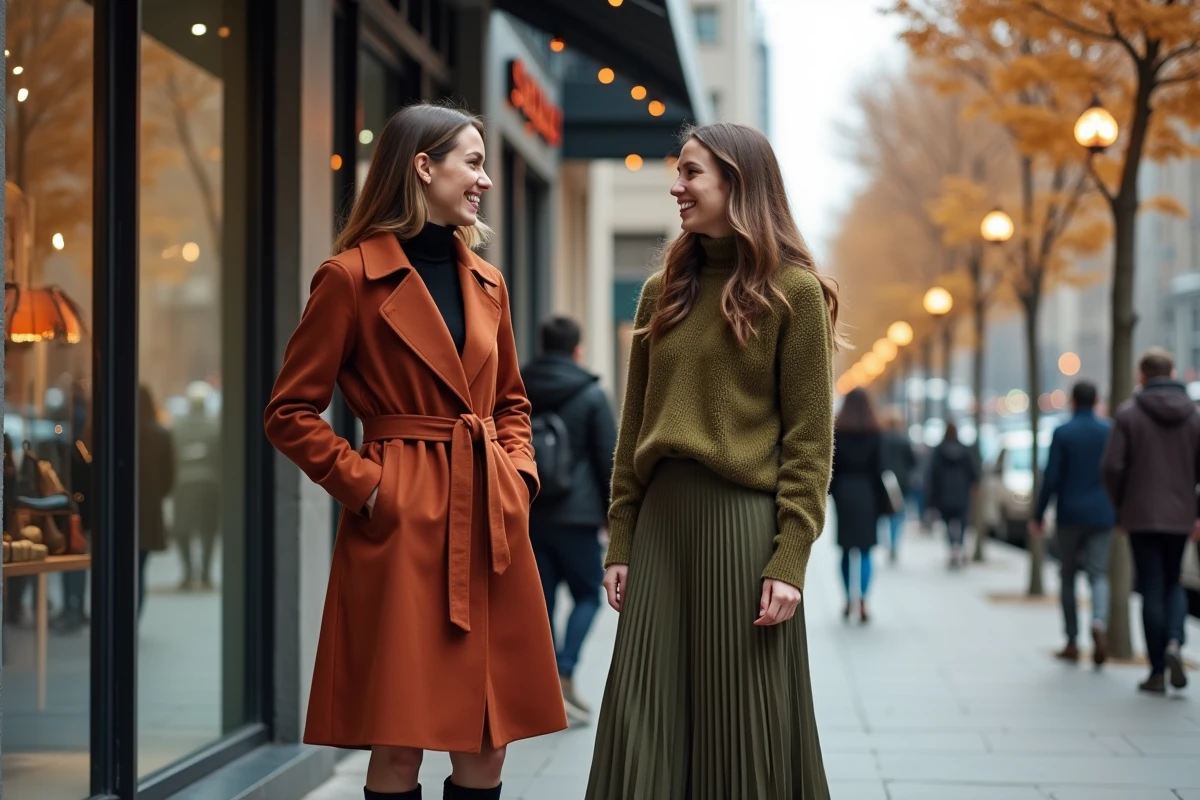
Bright yellow, cobalt, and red structure the palettes of the spring-summer 2026 collections. Adopting these shades does not mean wearing a saturated total look. One strong colored piece is enough to refresh a neutral outfit.
The structured wide-leg trousers, identified on the runways as a central piece of the season, illustrate this logic well. In a neutral version (beige, gray, black), it absorbs any colorful top. In cobalt or yellow, it becomes the statement piece itself and calls for understated tops.
The long flowing dress works on the same principle. Versions in bold primary colors are suitable for occasional use. Versions in more muted shades (olive green, sky blue, powder pink) integrate into a daily rotation without quick fatigue.
Fashion trends for 2026 oscillate between discretion and assertion. Rather than choosing a side, the most functional wardrobe combines durable basics with two or three well-chosen seasonal pieces. Beyond this core, additional purchases rarely meet a real clothing need.