
A man dead for a century, whose works should have ended in ashes, still shapes the thoughts of entire generations. Franz Kafka, whose desire for erasure was betrayed by friendship, continues to challenge literary and philosophical certainties. His texts, often left unfinished, have carved a path despite the disputes over the legitimacy of their publication. The original manuscripts, scattered among several institutions, still fuel debates and heritage claims today.
Researchers struggle to grasp the exact nature of the “Kafkaesque.” Realism, allegory, or a refusal of any label? Analyses diverge, each era projecting its questions onto this work that eludes ready-made categories. We read Kafka again and again, and nothing is exhausted: neither the material nor the unsettling power he distills.
Franz Kafka, a life between shadow and light
Kafka was born in Prague, the beating heart of the Austro-Hungarian Empire, in a climate of tensions and cross influences. His figure embodies the modern author torn between the rigor of daily life, his administrative position, his set hours, and nocturnal fervor, when writing becomes a necessity. This tug-of-war, filled with doubts and fever, marks all his stories.
His notebooks reveal a man who spares nothing: disordered thoughts, haunting fears, lucidity regarding his own weaknesses. The complex relationship with his father, the correspondence with Felice Bauer, and the deep bonds formed with Milena Jesenska or Dora Diamant all paint a stark portrait. Without his friend Max Brod, who refused to destroy his texts, works like The Trial or The Castle would have remained unpublished, whereas they now form the foundation of his global reputation.
Kafka navigates existence with a keen awareness of alienation and solitude. Prague remains the central backdrop of this inner struggle. Illness and premature death would ultimately lend a gravity to his trajectory that resonates with each sentence far beyond his time. For those wishing to explore his work and its multiple resonances, https://www.kafkaiens.org/ offers a rich and documented overview of Kafka and his influence.
Why do his stories continue to fascinate readers and philosophers?
Kafka, a discreet silhouette in the city of Prague, haunts literary history with his ability to reflect modern anxiety. On every page, the absurd emerges, flooding the narrative, pushing the character to the brink of silence. One morning, Gregor Samsa wakes up transformed into an insect; Joseph K. pursues a trial whose origin and logic he does not understand. The society described by Kafka seems hermetic, overwhelming, ruthless, yet familiar to anyone facing the anonymous mechanisms of power.
Reader, philosopher, writer: each finds in Kafka material to challenge what they believe to be certain. The stories offer neither clarification nor consolation. We move through the fog, we struggle, and the text closes, leaving a sensation of vertigo. It is this very movement that fascinates and nourishes the literary and philosophical landscape for a century. Kafka’s influence, from the malevolent bureaucracy to radical solitude, continues to unfold even into contemporary literature.
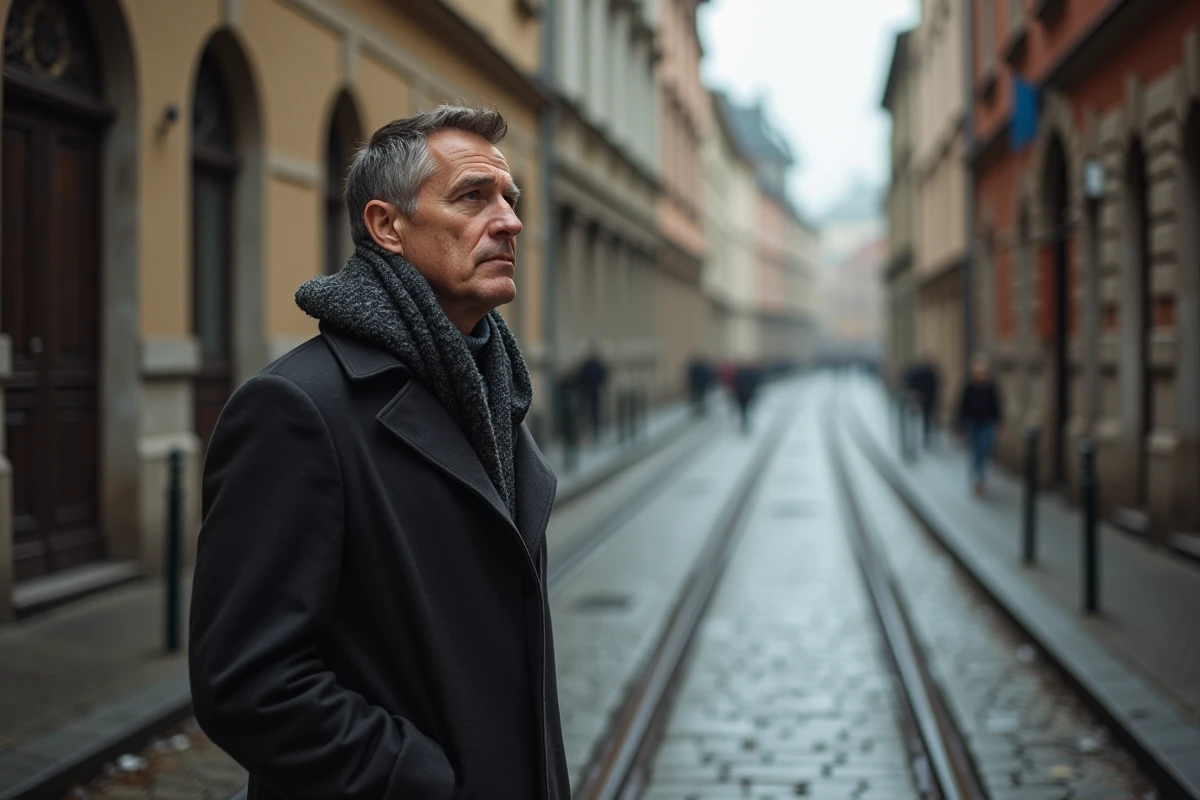
Existentialist literature: exploring major themes through Kafka’s work
Kafka delved into the human soul where others merely described it. His work gives flesh to the tentacled bureaucracy, the alienation of the subject, and the fundamental strangeness of existence. No one, before him, laid bare this feeling of powerlessness in the face of an impenetrable system.
To understand the scope of his texts, here are the main lines that structure his existentialist legacy:
- Alienation: the individual can no longer identify with a society whose rules elude him.
- Bureaucracy: an omnipresent, dehumanizing administration stifles all individual will.
- Absurdity: the quest for meaning relentlessly collides with a total absence of reassuring logic.
At the end of each Kafkaesque novel, the reader finds themselves confronted with their own enigmas. The work never offers a final key but encourages, with each re-reading, a different questioning of life, institutions, and freedom. A whirlwind from which no one truly emerges unscathed.