
The Fashion Industry and the Rise of Petite Models
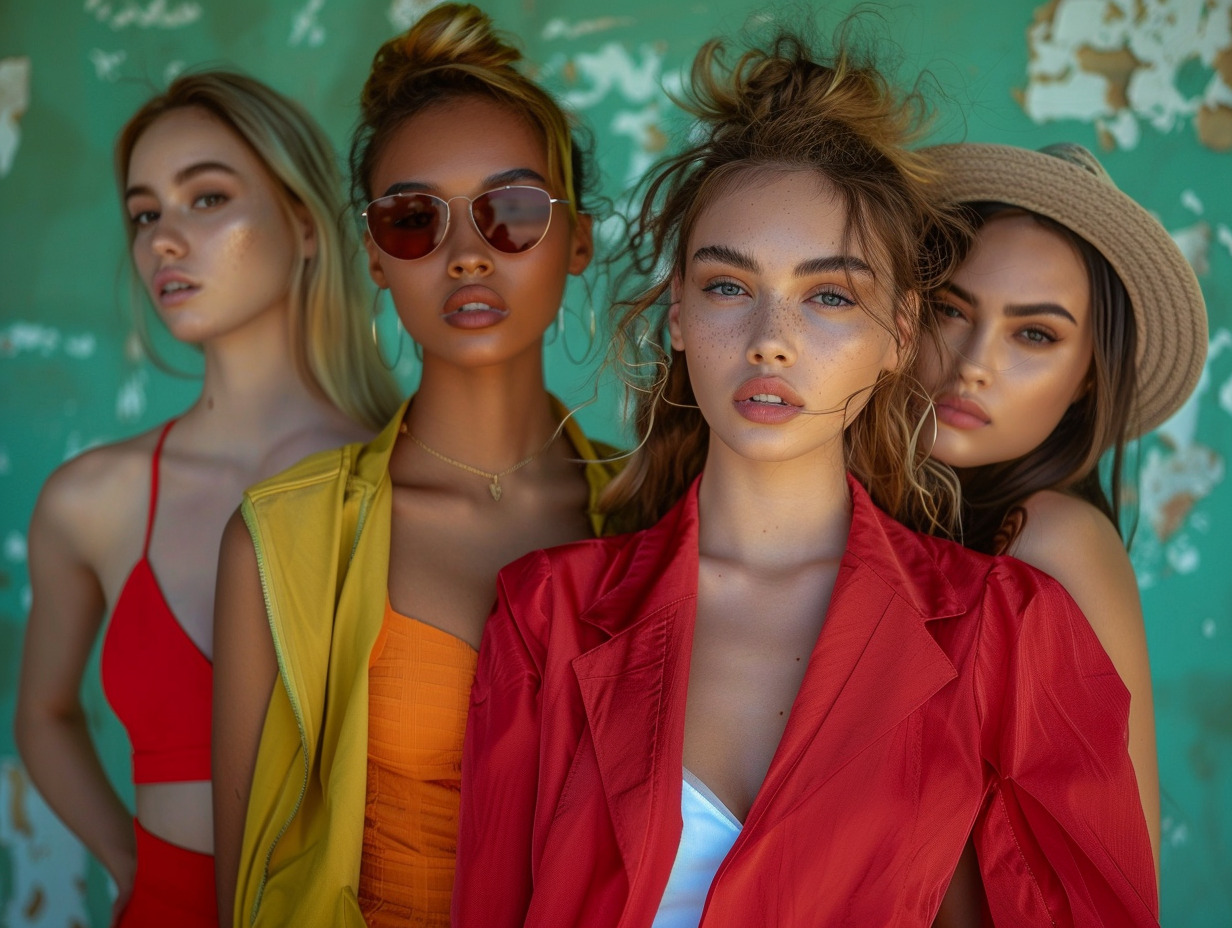
The fashion industry, known for its often unattainable standards, is witnessing the emergence of a new trend: petite models. Long relegated to the background, these silhouettes are gaining visibility on runways and in advertising campaigns. This evolution reflects a quest for authenticity and diversity, responding to a growing consumer demand for more inclusive representations.
Brands, aware of the importance of embracing all body types, are adapting their collections and castings. Petite models are no longer an exception but are gradually becoming the norm, symbolizing a profound change in the mindsets and practices of the industry.
The Origins and Evolution of Petite Models in Fashion
The history of petite models dates back to the 1960s, a time when iconic figures like Twiggy and Jean Shrimpton began to challenge traditional beauty standards. These pioneers paved the way for a new generation of models, proving that body diversity could also mean success on the runways.
Fashion designers, influenced by icons such as Coco Chanel and Karl Lagerfeld, have gradually integrated this diversity into their collections. The official recognition of petite models truly gained momentum with the intervention of the Fédération Française de la Mode, which noted a 30% increase in contracts for these models in 2021 compared to 2020.
- Karl Lagerfeld stated in 2013 that no one wants to see a curvy woman on the runways, a statement that sparked controversy.
- Model agencies, often criticized for their unrealistic standards, began to recruit petite models, such as Natalia Vodianova, who was signed at the age of 17.
Research on the experiences of models, such as those published by Qualitative Health Research and conducted by researchers like Alison Fixsen and Magdalena Kossewska, has also highlighted the challenges and successes of these professionals. Emily Ratajkowski’s height, for example, is often mentioned in discussions about current beauty standards. Petite models have not only disrupted traditional standards but have also inspired many people around the world, redefining notions of beauty and success in the fashion industry.
The Challenges and Opportunities for Petite Models in the Fashion Industry
Petite models, such as Sinéad Burke and Aaron Philip, face significant obstacles in an industry historically dominated by rigid beauty standards. Ginger Chloé and Arizona Muse have both spoken out against the toxicity of the fashion environment, a space often unwelcoming to those who do not conform to traditional norms.
Opportunities are also emerging. Sinéad Burke, for example, became the first petite person to grace the cover of Vogue and hosts a podcast titled ‘As me’. She also delivered a TED Talk titled ‘Why Design Should Include Everyone’, emphasizing the need for greater inclusivity in fashion.
- Personality Achievements
- Sinéad Burke First petite person on the cover of Vogue, TED Talk on inclusivity
- Aaron Philip First black, transgender, and disabled model to join Elite
The recognition of these models by influential figures like Victoria Beckham and Anna Wintour shows a gradual shift. Aaron Philip, by joining Elite agency, breaks barriers on multiple levels, becoming a symbol of diversity and inclusion in fashion.
These journeys illustrate the complexity of the challenges faced and the opportunities that arise from them. The support of influential personalities and an increased awareness of the need for diversity open doors, although systemic obstacles persist.